
Background and Significance:
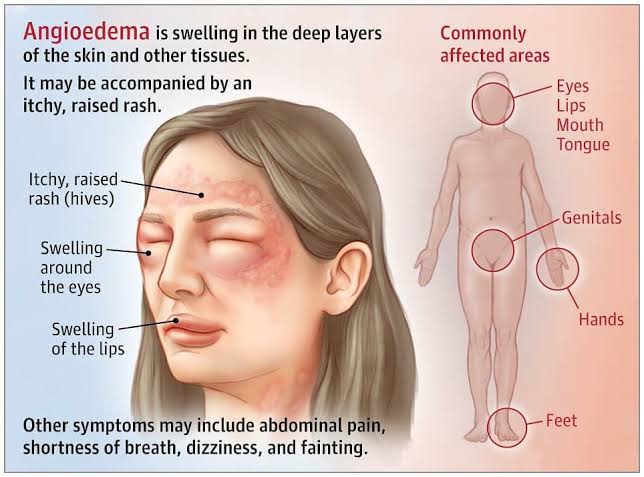
Angioedema is a recognized complication of intravenous (IV) thrombolytic therapy for acute ischemic stroke (AIS), occurring in 0.51 – 1.2% of treated patients in recent studies (Menon, Uddin). The pathophysiology resulting from fibrinolytic pathway activation generates large amounts of bradykinin and triggers mast cell degranulation, which can lead to symptoms ranging from tongue swelling to critical airway compromise.
The 2026 stroke guidelines endorse both alteplase and tenecteplase as Class I, Level A recommendations for eligible adult patients with AIS presenting within 4.5 hours of symptom onset. In anticipation of these guideline updates, many institutions have switched from alteplase to tenecteplase over the last several years, largely because of its simplified administration as a single IV bolus.
Despite the increased use of tenecteplase, data comparing rates of angioedema between thrombolytic agents remain limited. Published case reports and observational studies frequently describe angioedema after thrombolytic administration but rarely compare outcomes between alteplase and tenecteplase or account for patient specific factors such as concurrent medications. Anecdotal reports from several institutions have suggested a potentially higher rate of angioedema with tenecteplase, but robust data is lacking. Further investigation is needed to better characterize the incidence of thrombolytic-associated angioedema and determine whether risk differs between alteplase and tenecteplase after accounting for patient-specific risk factors.
Study Purpose:
To determine the real-world incidence and characteristics of thrombolytic-induced orolingual angioedema in patients treated with tenecteplase versus alteplase for suspected acute ischemic stroke in the emergency department and during hospital admission.
Primary Hypothesis
The incidence of orolingual angioedema in the tenecteplase cohort will be significantly different from the cumulative incidence in the alteplase cohort during the first 24 hours post-thrombolysis.
Primary Outcome
The estimated real-world incidence of orolingual angioedema occurring within 24 hours of receiving either tenecteplase or alteplase for suspected AIS.
Secondary Outcomes
Risk modifiers:
Does the use of medications associated with increased bradykinin at time of thrombolytic administration modify the risk of angioedema between the two groups?
Severity and management
For patients that developed angioedema, does supportive care medications vary by thrombolytic type? (IM/Subq/nebulized epinephrine, PPI, diphenhydramine, FFP, TXA, steroids, icatibant)
Among patients that developed angioedema, was intubation or cricothyrotomy required?
Does rate of angioedema and severe angioedema requiring intubation vary between thrombolytic agents?
Utilization
Among patients that developed angioedema, does ICU LOS vary by thrombolytic agent?